
Researcher in a well-lit study surrounded by academic books and warm desk lamp, dim atmospheric background, deep shadow walls, scholarly environment

Dr. Elena
Vasquez.

Decoding the language of genomes. Bridging machine learning and molecular biology to discover how cells make decisions under stress.

47
Publications
1,240+
Citations
12
Years Active

Research & Publications.

47 publications across Nature, Science, Cell, and top-tier ML venues. 1,240+ total citations.

Featured
Nature Methods2024

Transformer-Based Models for Predicting Chromatin Accessibility in Single-Cell Genomics

We present ChromFormer, a transformer architecture trained on 2.3M single-cell ATAC-seq profiles that predicts chromatin accessibility with 94% accuracy across 42 cell types.

Deep LearningGenomicsSingle-Cell
112 citations
Read Paper
Featured
Cell2023

Stress-Induced Transcriptional Rewiring in Human Neural Progenitor Cells: A Multi-Omics Analysis

Using integrated RNA-seq, ATAC-seq, and proteomics, we characterize 847 stress-responsive regulatory elements in neural progenitors, revealing a conserved transcriptional circuit.

TranscriptomicsNeuroscienceMulti-Omics
89 citations
Read Paper
Nature Communications2023

Graph Neural Networks for Protein–Protein Interaction Network Inference from Expression Data

ProteGraph achieves state-of-the-art PPI inference across 18 organisms by encoding evolutionary conservation as edge attributes in a heterogeneous graph architecture.

GNNProteomicsNetwork Biology
67 citations
Read Paper
Featured
Science2022

Decoding Cell Fate Decisions via Causal Inference in Longitudinal Single-Cell Data

CausalTracer identifies 23 causal regulatory drivers of cell fate bifurcation in hematopoiesis, validated by CRISPR perturbation screens in 3 independent cohorts.

Causal InferenceSingle-CellTrajectory Analysis
143 citations
Read Paper
Nature Biotechnology2022

Federated Learning for Privacy-Preserving Multi-Institutional Genomic Studies

FedGenome enables genome-wide association studies across 14 institutions without sharing raw patient data, achieving 97% concordance with centralized analysis.

Federated LearningPrivacyGenomics
58 citations
Read Paper
Genome Biology2024

Large-Scale Benchmarking of Sequence-to-Function Models for Regulatory Genomics

A systematic evaluation of 19 sequence-to-function models across 8 genomic prediction tasks, establishing the RegBench framework and identifying key architectural trade-offs.

BenchmarkingRegulatory GenomicsFoundation Models
34 citations
Read Paper
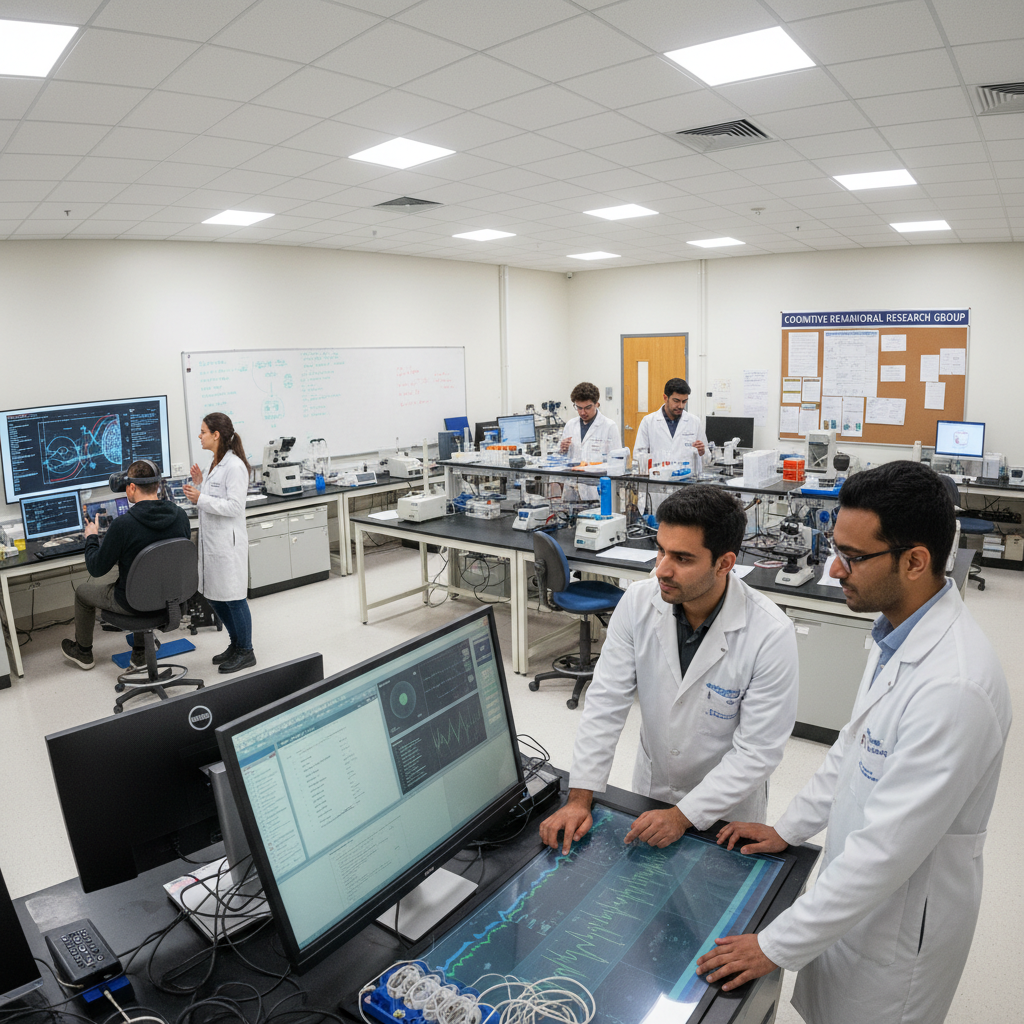
Professional researcher at a laboratory workstation with warm ambient lighting and scientific equipment in background

Cultivating a
Deeper Understanding.

From decoding protein networks as an undergrad in Toronto to leading a 12-person lab at Stanford — my research has always been driven by one question: how do cells know what to become?

2014University of Toronto

B.Sc. Bioinformatics

Graduated Summa Cum Laude

2016MIT

M.Sc. Computational Biology

Thesis: Graph-based methods for regulatory network inference

2020Stanford University

Ph.D. Computational Biology

Advisor: Prof. Michael Chen · NSF Graduate Fellowship

2020–22Broad Institute

Postdoctoral Fellow

Focus: Single-cell genomics and ML foundations

2022–Stanford University

Associate Professor

Dept. of Computational Biology · Vasquez Lab

Core Competencies

Python / PyTorch96%
Single-Cell Analysis92%
Statistical Genomics88%
Scientific Writing90%
Grant Authorship85%

Research Areas.

Five interconnected research streams bridging computational methods with molecular biology.

ML for Genomics

Transformer and GNN architectures trained on large-scale genomic datasets to predict regulatory element activity.

Sequence Foundation Models

Pre-training DNA language models on 3B+ base pairs to learn generalizable representations of regulatory grammar.

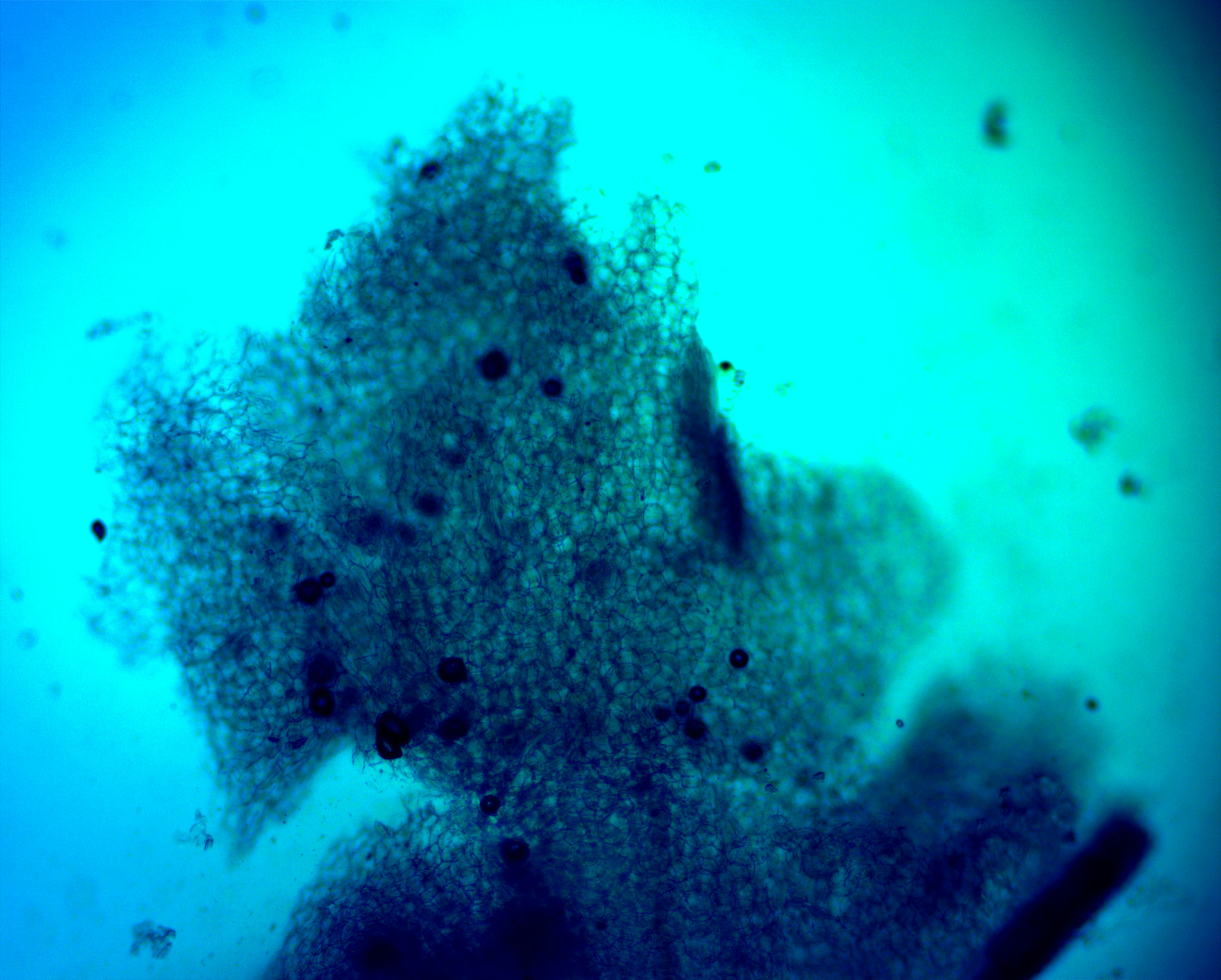
Scientific microscopy image of cellular structures in deep blue and teal tones, dark atmospheric laboratory background

Multi-Omics Integration

Integrating genomic, transcriptomic, proteomic, and epigenomic layers to build holistic models of cellular state and fate.

scRNA-seqATAC-seqChIP-seqProteomics

Single-Cell Biology

Trajectory inference, cell type annotation, and perturbation modeling at single-cell resolution across 2M+ profiled cells.

Responsible AI in Genomics

Federated learning, differential privacy, and algorithmic fairness for equitable genomic medicine.

Full CV.

Education

Ph.D. Computational Biology

NSF Graduate Research Fellowship

Stanford University · 2020

M.Sc. Computational Biology

GPA 4.0/4.0

MIT · 2016

B.Sc. Bioinformatics (Hons.)

Summa Cum Laude · Gold Medal

University of Toronto · 2014

Awards & Grants

NSF CAREER Award

Causal AI for single-cell biology

2023 · $600,000

NIH R01 Grant (PI)

Multi-omics integration in neurodegeneration

2022 · $1.2M

Chan Zuckerberg Initiative

Collaborative science grant

2021 · $250,000

Service & Leadership

Associate Editor

PLOS Computational Biology · 2023–

Area Chair

NeurIPS, ICML · 2022, 2023

Vasquez Lab Director

12 graduate students & postdocs

Stanford · 2022–

Curriculum Vitae

12-page comprehensive CV including all publications, grants, teaching experience, invited talks, and service roles.

47
Papers
12+
Grants
30+
Talks
Download Full CV (PDF)

Updated June 2026 · 12 pages

Recent Invited Talks

Foundation models for genomic regulation

NeurIPS 2025 · Vancouver, BC

Causal inference in single-cell trajectories

ISMB 2025 · Montreal, QC

ChromFormer: lessons learned

Broad Institute Seminar · Cambridge, MA

Let's Connect.

Open to collaboration proposals, seminar invitations, media inquiries, and prospective graduate students.

Office

Clark Center S241, Stanford, CA 94305

Send a Message

All fields required. I read every message personally.